Estimated reading time 9 min 59 sec.
Why Investors Should Pay Attention to Rental Demand
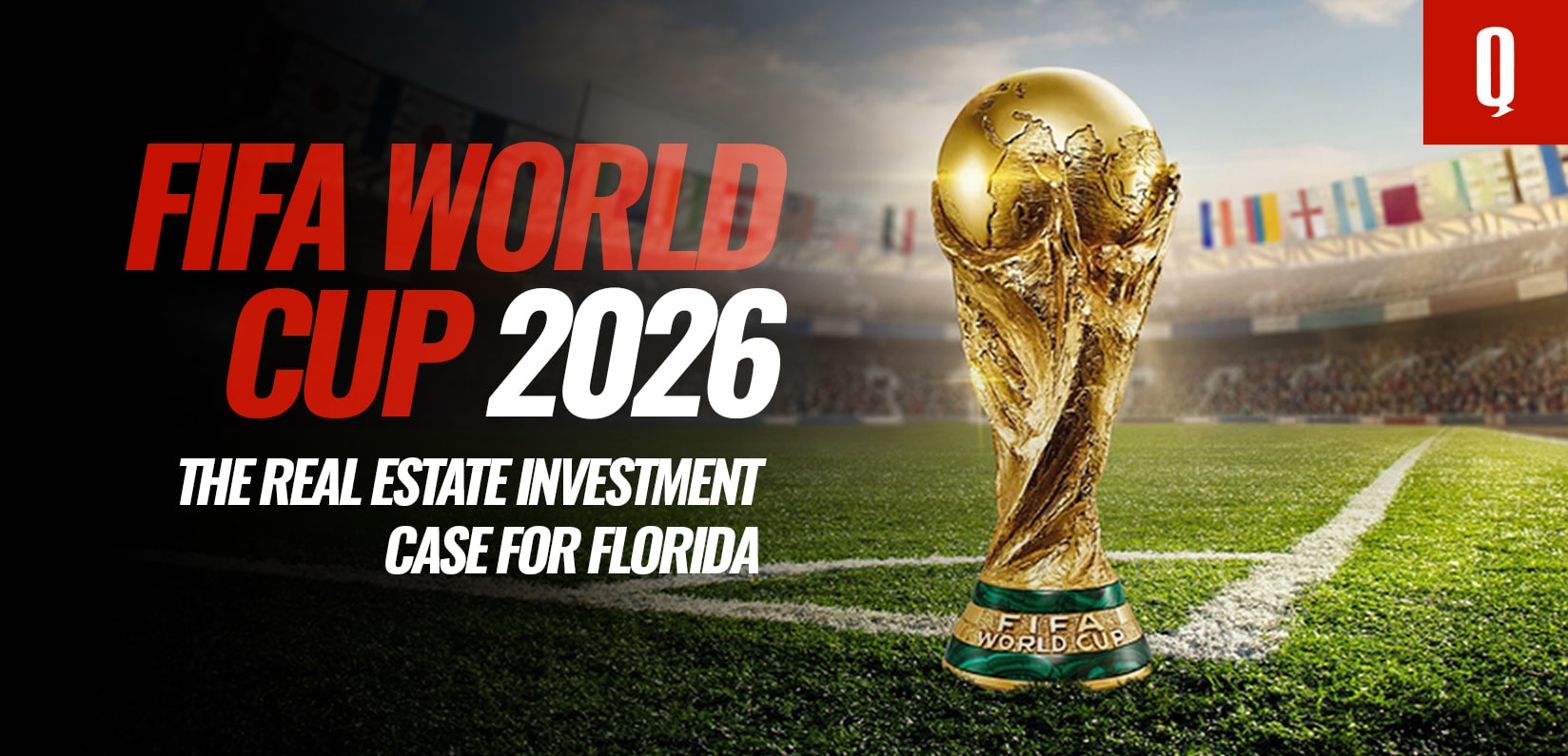
The 2026 FIFA World Cup brought millions of visitors to the United States, with Miami serving as one of the tournament’s host cities. While hotels accommodated a large portion of travelers, many visitors—including families, business travelers, media professionals, and extended-stay guests—also looked for alternative accommodations throughout the city.
For real estate investors, the event provided an opportunity to analyze how rental demand changed before, during, and after one of the largest global sporting events. Although the tournament lasted only a few weeks, the international exposure generated by the event helped reinforce Miami’s position as a global destination for tourism, business, and real estate investment.
However, the benefits were not distributed equally across all neighborhoods. Rental performance continued to depend on factors such as location, accessibility, nearby amenities, transportation options, and local regulations. Investors who understood these market dynamics were better positioned to identify properties with long-term income potential instead of making decisions based only on temporary increases in demand.
Table of Contents
How the World Cup Influenced Rental Demand
Major international sporting events typically create a temporary increase in housing demand as visitors search for accommodations beyond traditional hotels. During the 2026 FIFA World Cup, many travelers chose vacation homes, furnished apartments, and condominiums that offered more space, privacy, and flexibility.
Beyond soccer fans, Miami welcomed journalists, sponsors, event organizers, broadcasters, hospitality professionals, and business executives. Many of these visitors required longer stays, contributing to additional demand for quality rental properties throughout the city.
While the immediate increase in rental activity was connected to the tournament, the event also strengthened Miami’s global visibility. The exposure introduced the city to millions of visitors and potential investors, helping support continued interest in tourism, business relocation, and second-home purchases after the tournament concluded.
For investors, the most successful strategies focused on properties that remained attractive beyond the World Cup, with strong fundamentals that could continue generating value in the years ahead.
What Makes a Neighborhood Attractive to Renters?
Location remained one of the most important factors influencing rental demand after the tournament.
Visitors and residents continued to prioritize neighborhoods that offered convenient access to transportation, restaurants, entertainment, shopping, and major attractions. Walkability, safety, and overall convenience often played a greater role in rental decisions than simply choosing the lowest-priced option.
Properties located near major highways, Miami International Airport, Downtown Miami, Brickell, Miami Beach, and public transportation benefited from their accessibility and continued appeal among both short-term visitors and long-term residents.
Amenities also continued to influence rental performance. Modern kitchens, dedicated workspaces, high-speed internet, parking, fitness centers, and outdoor living areas remained highly valued features for renters, especially among professionals and travelers combining business and leisure.
Professional property management also played an important role in maintaining occupancy rates, improving guest experiences, and generating positive reviews that supported long-term rental performance.
Neighborhoods That May Benefit the Most
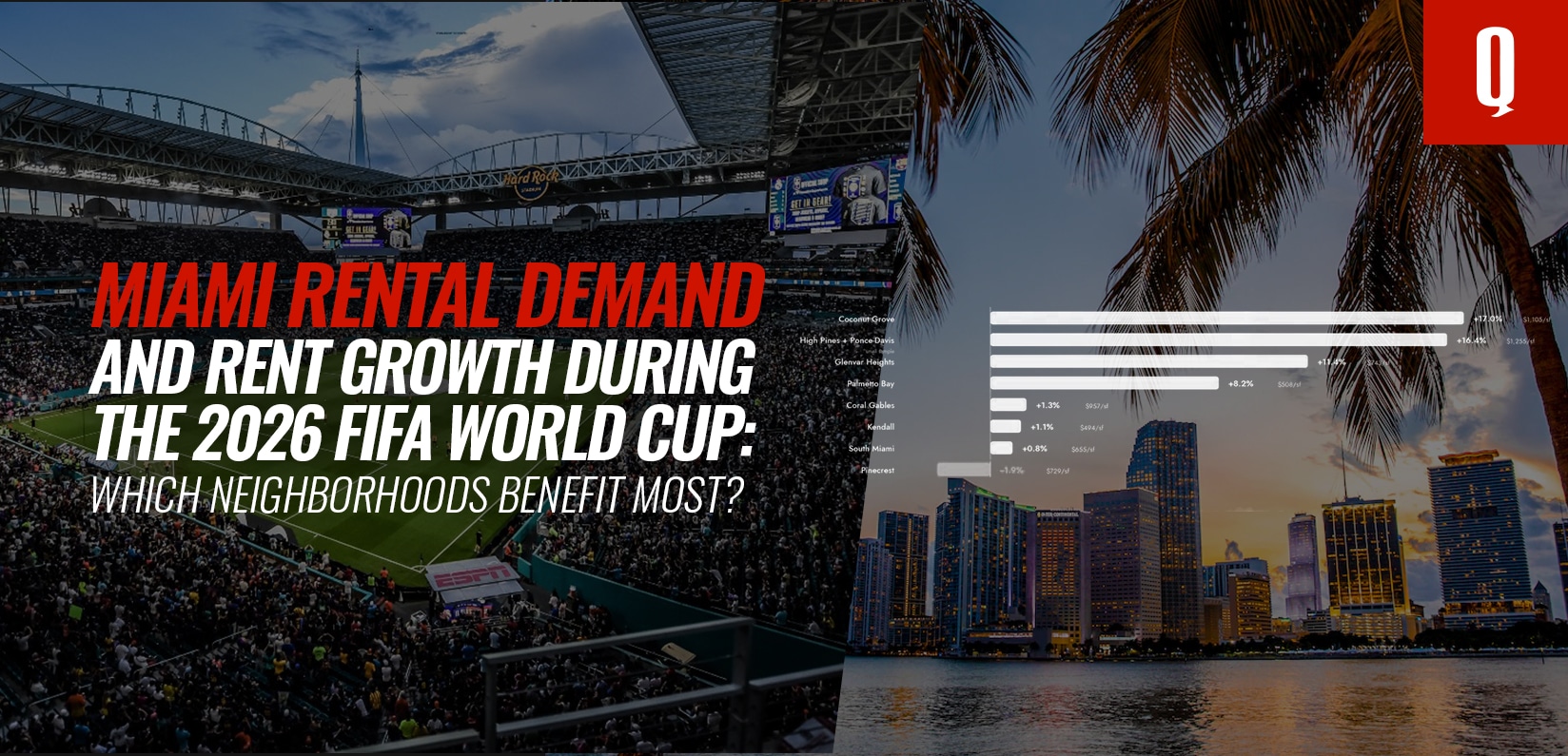
Although market conditions varied across Miami, several neighborhoods were well positioned to benefit from increased rental activity due to their location, infrastructure, and established appeal among visitors and residents.
Brickell
Brickell continued to stand out as one of Miami’s most important financial and residential districts. Its luxury condominiums, restaurants, nightlife, and walkable environment made it an attractive option for business travelers, international visitors, and professionals.
For investors, Brickell maintained strong long-term fundamentals supported by consistent residential demand, a growing business ecosystem, and continued interest from domestic and international buyers.
Downtown Miami
Downtown Miami also benefited from its proximity to entertainment venues, cultural attractions, transportation routes, and ongoing redevelopment projects. The area’s transformation continued to strengthen its appeal among residents, businesses, and investors.
Properties with modern amenities, convenient locations, and access to public transportation remained particularly attractive as Miami continued building on the momentum generated by the global attention surrounding the tournament.
Miami Beach
Miami Beach remained one of the city’s most recognizable destinations throughout and after the 2026 FIFA World Cup. Its hotels, restaurants, beaches, and entertainment options continued to attract visitors from around the world.
Well-located residential properties in the area benefited from strong visitor interest during the tournament while maintaining long-term appeal for investors due to Miami Beach’s global reputation as a tourism and lifestyle destination.
Coconut Grove and Coral Gables
Coconut Grove and Coral Gables continued to attract renters seeking a quieter residential environment while maintaining convenient access to Downtown Miami and other major business and entertainment areas.
Tree-lined streets, parks, waterfront access, and established communities made these neighborhoods attractive to families, executives, and longer-term renters looking for stability and quality of life beyond the short-term activity generated by the tournament.
Short-Term vs. Long-Term Rental Strategies
The 2026 FIFA World Cup highlighted different opportunities and challenges associated with short-term and long-term rental strategies. Some investors used the increased visitor demand during the tournament to generate higher nightly rates through vacation rentals and furnished properties.
However, short-term rentals also required more active management, including guest communication, maintenance, fluctuating occupancy, and compliance with local regulations.
Long-term rentals continued to offer advantages such as more predictable income, lower turnover, and greater stability throughout the year.
Rather than relying exclusively on temporary events, successful investors evaluated local regulations, homeowner association rules, operating expenses, and neighborhood fundamentals before selecting a rental strategy.
The strongest investment approach was one that remained profitable regardless of temporary increases in market activity.
Factors That Can Influence Rent Growth
Although the World Cup contributed to increased visibility and rental activity in Miami, long-term rent growth continued to depend on broader economic fundamentals.
Population growth, employment expansion, infrastructure improvements, and limited housing supply remained key factors supporting rental appreciation over time.
Investors also continued monitoring new residential construction. When a significant number of apartments or condominiums enter the market simultaneously, increased competition can affect rental rates and occupancy levels.
Analyzing both supply and demand allowed investors to create more realistic financial projections and develop strategies based on market fundamentals rather than relying only on short-term events.
Building a Sustainable Rental Portfolio
The 2026 FIFA World Cup represented an opportunity for investors to evaluate Miami’s rental market and strengthen existing investment strategies. However, long-term success continued to depend on acquiring properties with strong fundamentals rather than focusing only on temporary demand increases.
Properties located in neighborhoods with diverse economic drivers remained better positioned to generate stable returns over time.
When evaluating rental opportunities, investors should consider:
- Current rental demand and occupancy trends.
- Neighborhood appreciation potential.
- Transportation and infrastructure improvements.
- Property management requirements.
- Insurance, maintenance, and operating expenses.
- Local regulations affecting rental properties.
A disciplined approach focused on long-term performance was more likely to generate consistent returns than pursuing short-term market trends.
How QKapital Helps Investors Finance Income-Producing Properties
Finding the right investment property was only one part of the process. Securing financing aligned with an investor’s strategy remained equally important.
QKapital works with real estate investors to provide flexible financing solutions for rental properties throughout South Florida. Whether purchasing a first investment property, expanding a portfolio of income-producing assets, refinancing an existing property, or exploring DSCR loan options, QKapital offers customized lending solutions designed to help investors move forward with confidence.
With extensive experience in Miami’s real estate market and investment financing, QKapital helps clients structure financing solutions that support both immediate opportunities and long-term portfolio growth.
Ready to Invest in Miami's Rental Market?
The 2026 FIFA World Cup reinforced Miami’s position as an international destination for visitors, businesses, and real estate investors. As the market continued evolving after the tournament, well-located rental properties remained an attractive opportunity for investors seeking long-term income potential and appreciation.
Whether acquiring a new rental property or refinancing an existing investment, QKapital can help you explore financing options designed around your investment goals. Contact our team today to discuss your investment goals and financing options.